
Discover Your Perfect Brew: A Journey into Coffee Delights
coffee can be confusing when you just want a cozy mug that tastes great every single time. Maybe your mornings feel rushed, or the cup you brew tastes bitter one day and watery the next. I’ve been there, trying every gadget and trick until I found a simple groove that fits my life. That’s what this post is about, sharing how I brew at home and how I think about beans, water, and the stories behind my favorite drink. I’ll walk you through flavor basics, show you an easy method, and sprinkle in a little background so every sip feels more special. Think of it as Discover Your Perfect Brew: A Journey into Coffee Delights told by a friend who can’t stop talking about good cups. 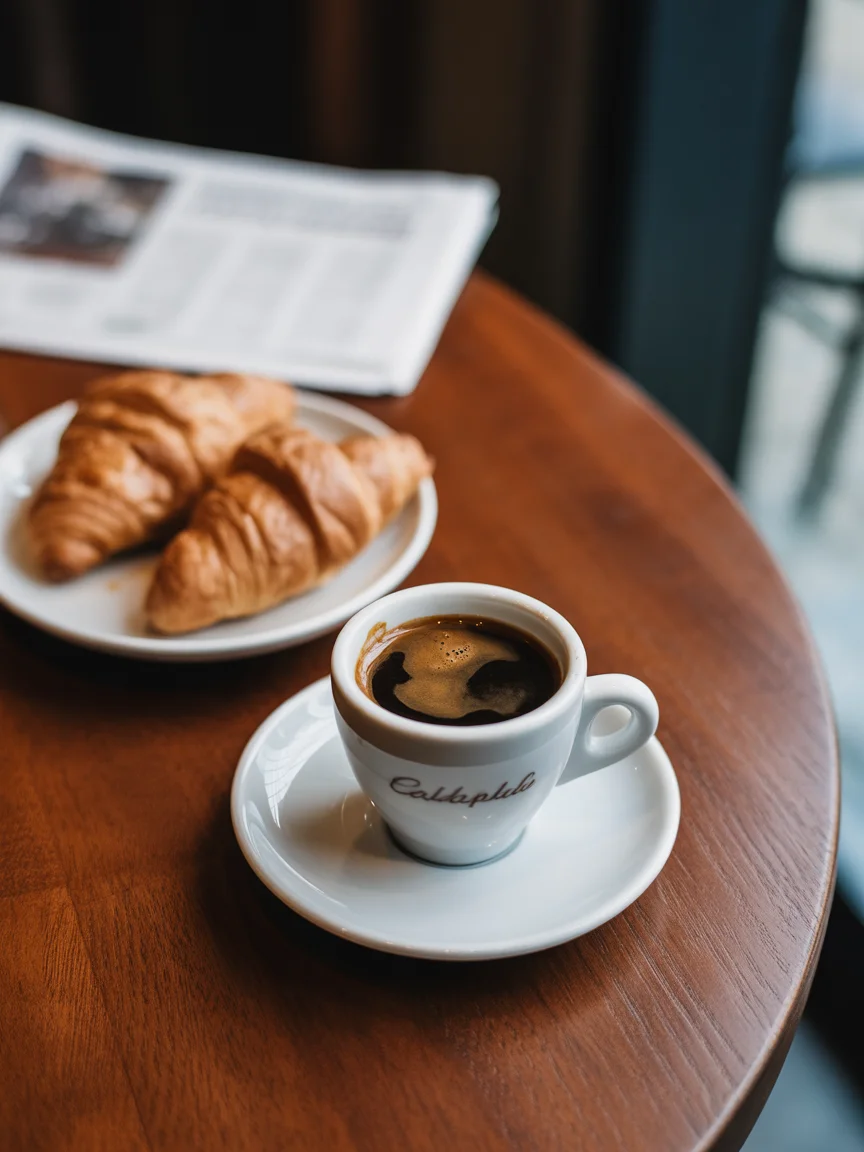
Etymology
Let’s start with the word itself. The word coffee traces back to the Arabic qahwa, which influenced the Turkish kahve, and eventually landed in European languages as caffè or café before becoming coffee in English. That little linguistic trail mirrors how the drink traveled across cultures, picking up new habits and flavors along the way. I love this because it reminds me that my morning ritual isn’t just a habit, it’s a global story in a tiny cup.
When I first learned this, I started paying attention to how names show up on bags, like “Arabica” and “Robusta,” and how those origins hint at taste. It also made me appreciate that there’s no single right way to brew. There’s only the way that feels good at your table, in your kitchen, with your favorite mug.
If you’re starting out and want a simple, smooth cup, I often point friends to a basic pour over method because it’s forgiving and easy to replicate. By the way, if you’re curious about dialing in your home routine, I’ve put together a friendly walkthrough right here: Step-by-step pour over guide for beginners. It’s packed with tips on grind size and timing that helped me stop guessing and start enjoying.
History
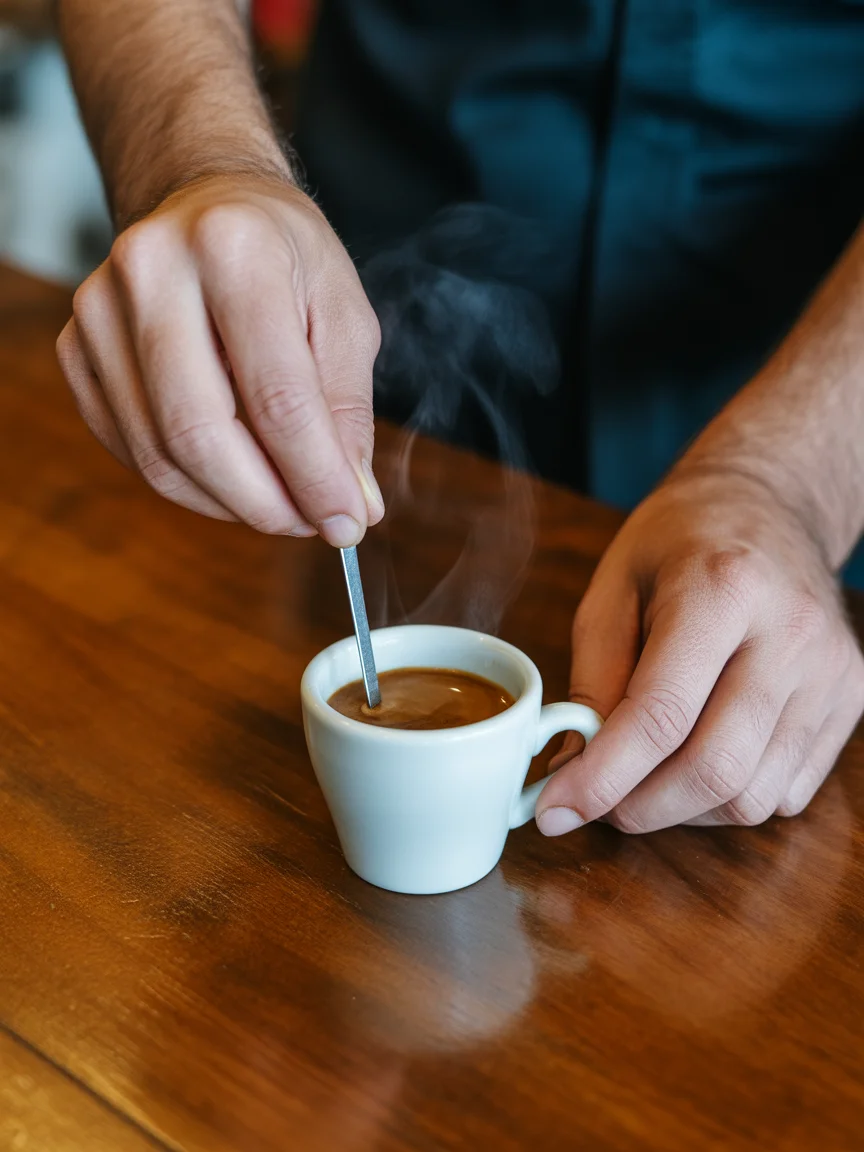
Think of coffee’s history as a long chain of “Aha” moments. Legend says a goat herder in Ethiopia noticed his animals dancing after nibbling red cherries from a shrub. That curiosity spread to monks who used the brew to stay awake during prayers, then merchants carried it across the Red Sea into Yemen, and onward into bustling cafés in Europe. Soon, coffeehouses became hubs for ideas, art, and community. That part warms my heart because I love how a simple cup can bring people together.
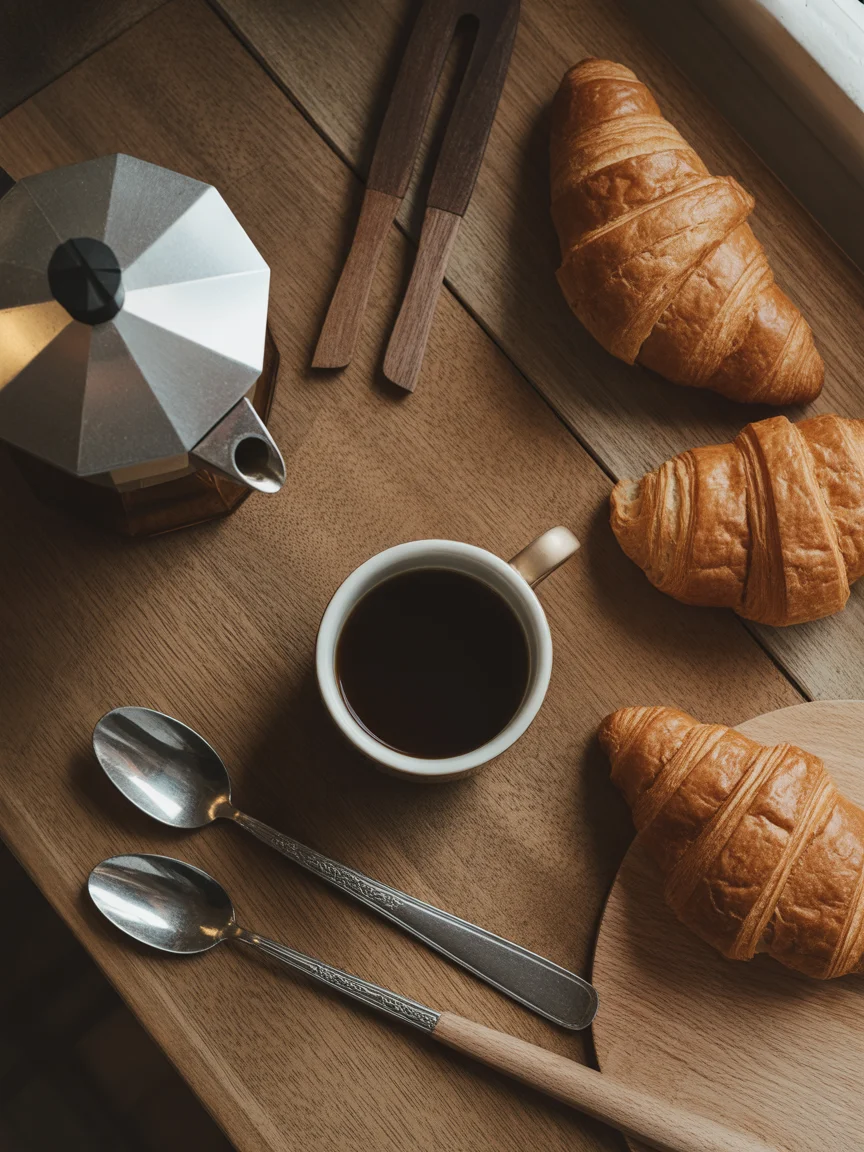
Over time, the drink evolved with new tools like the moka pot, espresso machine, and clever drippers. I personally fell in love with home brewing when I realized it didn’t require fancy equipment to be delicious. Even today, the most satisfying mug in my house comes from a cone, a filter, and a kettle. If you’re on the hunt for your signature flavor, keep this phrase in mind: Discover Your Perfect Brew: A Journey into Coffee Delights. It’s a reminder that taste is a trip, not a destination, and your palate will keep changing as you try new beans and methods.
Want to explore a cooler, lower-acid path for summer afternoons? My easy method lives here: No-fuss overnight cold brew. It’s smooth, sweet, and kind to sensitive stomachs.
Biology
Behind every lovely cup is a plant with beans that aren’t really beans at all. They’re seeds from the fruit of the Coffea plant. Most of what we drink comes from two species: Coffea arabica and Coffea canephora, commonly called Robusta. Arabica tends to be smoother, more layered, often with hints of fruit or chocolate. Robusta often tastes stronger and earthier, with more caffeine. Neither is better across the board; they just offer different personalities to match your mood.
Arabica vs Robusta in your mug
Arabica is my everyday favorite because I love a gentle, sweet finish. If you lean toward bold and punchy, Robusta or an Arabica-Robusta blend can make amazing espresso. The secret is to match the bean to your brew method and taste. If you like milky drinks, a blend with some Robusta can stand up to milk without fading. If you prefer a black cup that’s clean and delicate, a single-origin Arabica shines.
Here’s a tiny trick that helped me: sniff the grounds before brewing. If they smell bright and fruity, I brew a bit cooler. If they smell rich and chocolatey, I can go a touch hotter. These small shifts make your kitchen feel like a micro roastery, and that’s half the fun.
Cultivation and production
Coffee starts as a cherry on small shrubs grown in tropical regions. Farmers pick the fruit, then choose a process that shapes flavor. Washed coffees are rinsed and dried for a cleaner, crisper taste. Natural process coffees dry with the fruit on, often producing jammy or berry notes. Honey process sits between the two. All those decisions are made before beans travel to a roaster, and those choices have a big impact on your final cup.
At home, your biggest levers are bean freshness, grind size, water temperature, and timing. I’m not a professional barista, just a curious drinker who measures enough to be consistent. That’s the heart of Discover Your Perfect Brew: A Journey into Coffee Delights. With a few tweaks, you can land on a routine that’s simple and reliable.
My easy morning pour over
Here’s my go-to setup for one large cup. It’s calm, repeatable, and makes my kitchen smell like a café.
- What you’ll need: Freshly roasted beans, a burr grinder, a cone dripper with paper filter, a kettle, a scale if you’ve got one, and your favorite mug.
- Ingredients: 22 grams coffee, 360 grams water.
Directions
1. Heat water to about 93 degrees C. If you don’t have a thermometer, bring it to a boil, then let it sit 30 seconds. 2. Grind beans medium, like sand. 3. Rinse the paper filter with hot water to warm the dripper and mug. 4. Add grounds, shake to level, and start a bloom by pouring just enough water to wet all the grounds. Wait 30 to 45 seconds. 5. Pour in slow circles, keeping the bed gently saturated until you reach your total water. The brew should finish in about 3 to 3 and a half minutes. If it took too long, grind coarser next time. If it rushed through, grind finer.
Flavor checks I use: If the cup tastes sour and thin, I slow down or grind finer. If it’s bitter and heavy, I speed up or grind coarser. I also sip a tiny spoonful as it cools because flavors open up as the temperature drops. It’s wild how a few degrees can change everything.
If you’re curious about pressure-driven drinks, this little primer helps you get started without fuss: Espresso basics for home cooks. It breaks down dose, yield, and time in plain language so your first shots feel encouraging, not intimidating.
Society and culture
Coffee is more than caffeine. It’s how my neighbor and I catch up when we bump into each other on the sidewalk. It’s how my partner and I start lazy Sundays, with a record playing while the kettle hums. Around the world, cafés are living rooms for people who need a break, a place to read, or a spot to brainstorm. I think that’s why learning to brew at home feels special. You’re not just pouring a drink, you’re building a tiny daily ceremony that says you’re worth a peaceful moment.
I keep a small ritual: grind beans, smell the aroma, let the bloom rise like a tiny curtain lifting, and take the first sip quietly. Those five seconds set the tone for my day. And every time I adjust the brew a hair, I feel like I’m back in the spark of Discover Your Perfect Brew: A Journey into Coffee Delights. It keeps coffee fun instead of fussy.
“I followed your simple pour over steps, and my mornings are finally predictable in the best way. The coffee tastes balanced, and I didn’t need to buy anything fancy. It feels like my kitchen became my favorite café.”
Common Questions
Q: How do I pick the right beans for my taste?
A: Start with a light to medium roast Arabica if you like gentle sweetness. If you prefer bold flavors or milk drinks, try a medium to dark roast or a blend with some Robusta. Buy small amounts and taste side by side to learn what you like.
Q: Why does my coffee taste bitter?
A: Bitter often means over-extraction. Grind a bit coarser, brew a touch faster, or lower the water temperature slightly. Also keep your gear clean, because old oils can add harshness.
Q: Is a scale really necessary?
A: Not strictly, but it reduces guesswork. If you skip it, use a consistent scoop and water measure. Consistency is your best friend when you’re trying to dial in flavor.
Q: What’s the easiest upgrade for better flavor?
A: Fresh grinding. A basic burr grinder makes a huge difference. Pair that with good water and you’ll notice a jump in clarity and balance right away.
Q: How should I store beans?
A: Keep them in an airtight container away from light and heat. Buy what you’ll use in two to three weeks. Avoid the fridge or freezer unless you’re portioning for long breaks.
Ready to brew your happiest cup
We covered the story behind the word, a bit of history, the bean biology, how farms and processes shape flavor, and a super friendly method you can make tomorrow morning. My biggest tip is to tweak just one variable at a time and taste as you go. You’ll land on a daily rhythm that fits your life, and it will feel like a little victory every time. If you want to read more on the background and science, peek at Coffee on Wikipedia. If you’re shopping for beans or gear, browse The Coffee Bean and Tea Leaf or explore roaster selections at Metropolis Coffee Company. And remember, the fun part is the journey, so keep tasting and make Discover Your Perfect Brew: A Journey into Coffee Delights your own.


Pour Over Coffee
Ingrédients
Method
- Heat water to about 93 degrees C. If you don’t have a thermometer, bring it to a boil, then let it sit for 30 seconds.
- Grind the beans to a medium consistency, similar to sand.
- Rinse the paper filter with hot water to warm the dripper and mug.
- Add the ground coffee to the filter, shake to level, and start a bloom by pouring just enough water to wet all the grounds. Wait for 30 to 45 seconds.
- Pour in slow circles, keeping the coffee bed gently saturated until you reach your total volume of water. The brew should finish in about 3 to 3.5 minutes.
- If the brew took too long, adjust by grinding coarser next time. If it rushed through, grind finer.
- Taste the coffee and adjust brewing variables as needed: sour and thin means to slow down or grind finer, while bitter and heavy means to speed up or grind coarser.