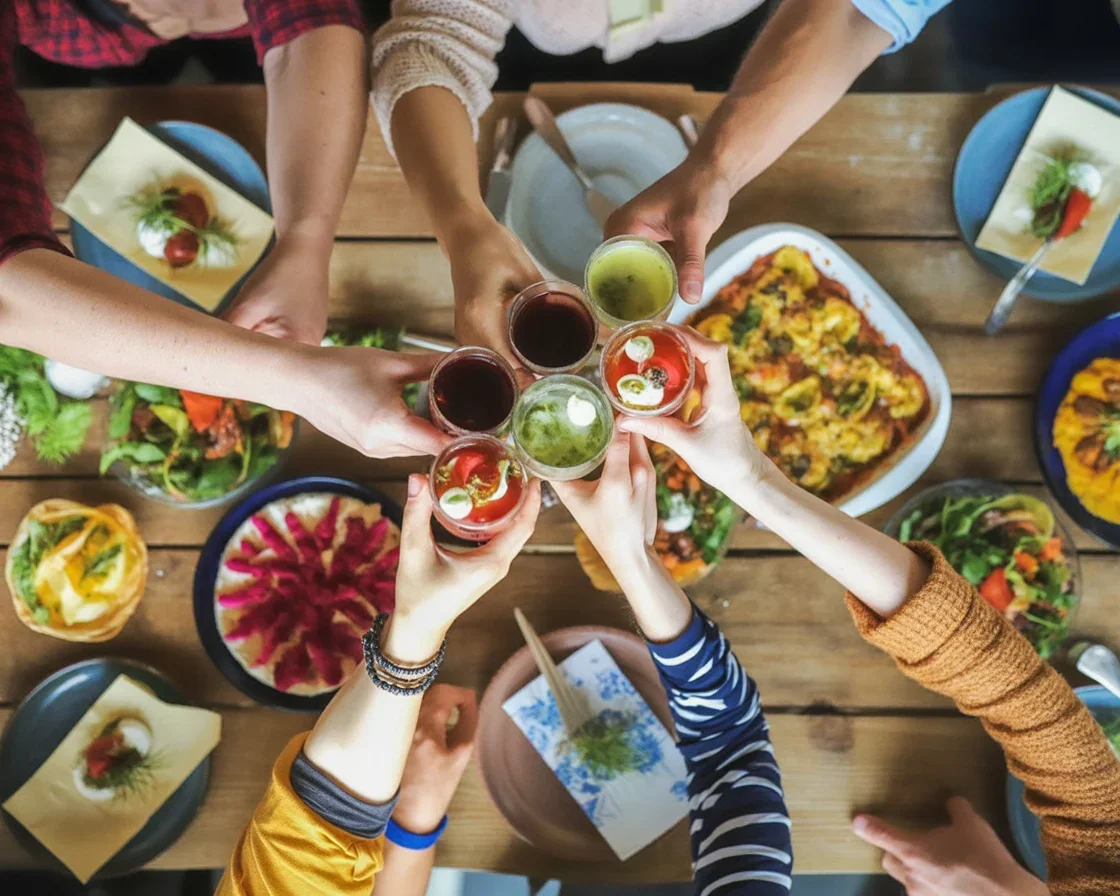
10 Heartfelt Friendsgiving Tips to Make Your Celebration Shine
friendsgiving can feel overwhelming the first time you host. Is there enough food? Will the timing work out? Who brings dessert? I’ve been there, standing in my kitchen with a whisk in one hand and a tiny panic in my chest. The good news is you don’t need fancy skills or a giant budget to make it magical. With a bit of planning and a handful of heartfelt touches, your table can glow and your people will feel right at home.
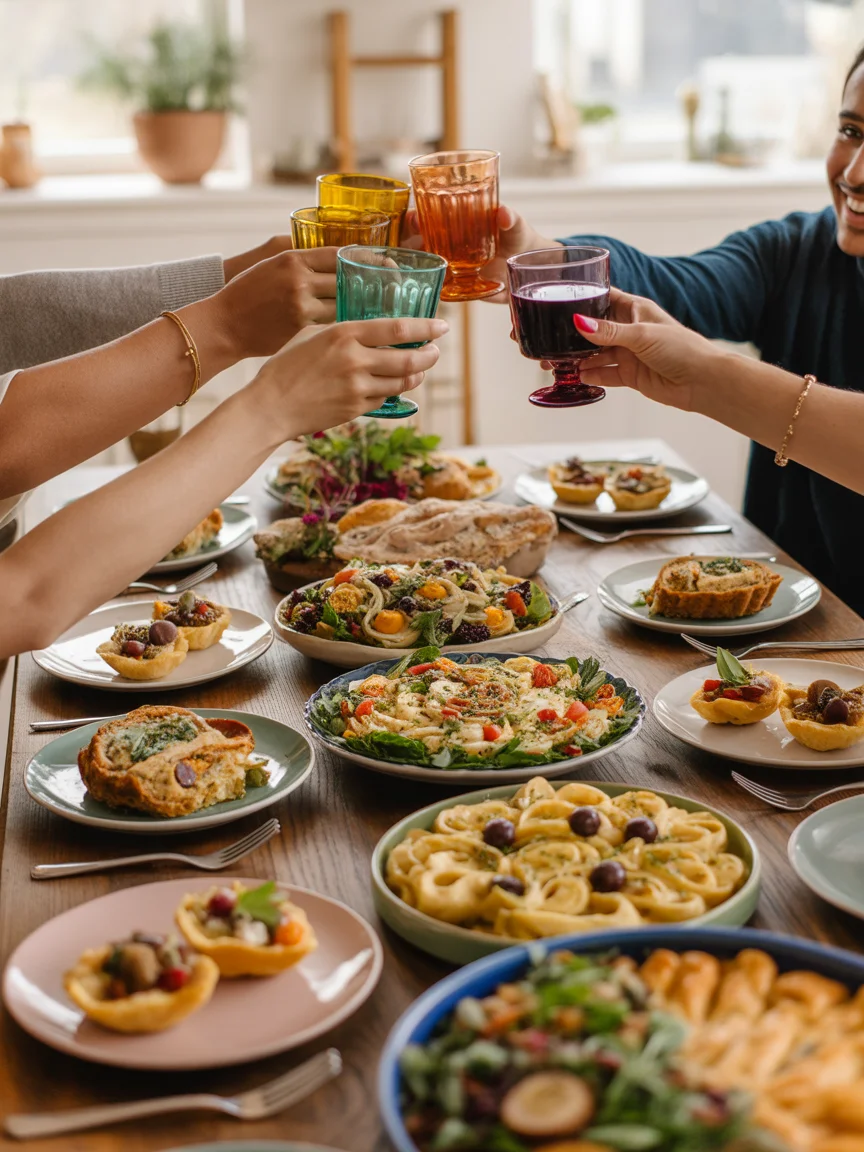
The Meaning of Friendsgiving
At its heart, Friendsgiving is about gathering the family you choose. No rules, no stiff place settings, just shared dishes, inside jokes, and the kind of laughter that makes your cheeks hurt. Over the years, the day has grown into a warm tradition for many of us who live far from family or simply want a bonus excuse to gather with pals.
Unlike a traditional holiday meal, this celebration runs on **potluck energy** and low stress. People bring what they’re proud of or what they can afford, and somehow the table still looks like a dream. The best part is how flexible it is. You can do a brunch, a late afternoon feast, or a dimly lit supper. You can also tweak flavors to match your group’s vibe, from classic sage and cranberry to chili-lime and garlic butter. It’s also the perfect time to use that one family recipe you’ve always loved, then give it a playful twist.
If you’re worrying about doing it “right,” here’s the truth. There’s no one way. The only must is to make space for gratitude and real connection. And yes, carving out a few minutes to breathe counts too.
When I started hosting, I kept repeating the word friendsgiving to myself as a reminder. Not perfection-giving. Friends. That little reset helped me focus on what matters most: people first, everything else second.
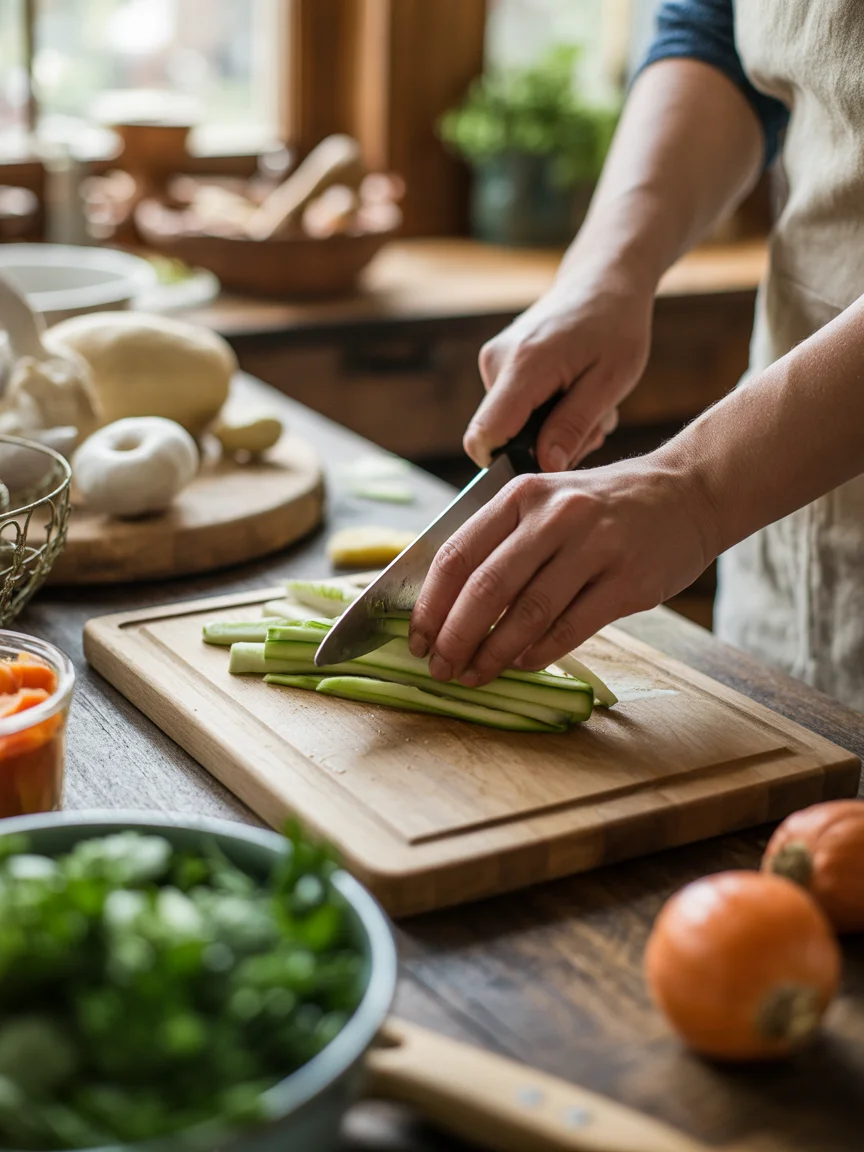
Essential Tips for a Successful Friendsgiving
Your Roadmap to a Cozy, Low-Stress Feast
Below are my 10 heartfelt friendsgiving tips to make your celebration shine. They’re simple, concrete, and totally doable, even if your kitchen is small or your schedule is hectic.
- Make it potluck on purpose. Assign broad categories to guests like appetizers, veggies, mains, desserts, and drinks. Share a simple sign-up sheet so you don’t end up with five mac and cheeses, unless that’s the dream.
- Plan a gentle timeline. Start the main dish first, then stagger sides. Aim to have everything hot or room temp 15 minutes before sitting. This buffer saves your sanity when something takes longer than planned.
- Choose one signature dish. Let one recipe be your star and keep the rest super simple. This could be caramelized carrots with honey and thyme or a colorful fall grain salad. Your “one special thing” will make the table feel curated without extra effort.
- Lean into make-ahead magic. Mix dressings, toast nuts, and chop garnishes the day before. Many sides taste even better when made early, like roasted veggies or baked stuffing.
- Warmth is hospitality. Turn on soft lighting, set out a pitcher of water with citrus slices, and put on a chill playlist. These little touches instantly make a home feel welcoming.
- Set up stations. Create a drink corner with glasses and napkins. Make a bread-and-butter plate guests can nibble from right away. If your table is full, set up a small side table for sides and desserts.
- Label dishes. Sticky notes or small cards can list the dish name and allergens. It’s kind and takes the pressure off guests who need to ask about ingredients.
- Tap two helpers. Invite a friend to handle the drink refills and another to guide the buffet line. You don’t need to do everything alone, and letting people help actually makes them feel more at home.
- Do a gratitude moment. Have everyone share a small joy from the year or one person they’re grateful for. It keeps the purpose front and center without being awkward.
- Pack leftovers like a pro. Keep foil, containers, and gallon bags ready. Send guests home with a little care package. That after-party turkey sandwich is half the fun.
Want a quick checklist to keep you on track? I keep this handy and it saves me every time. I also wrote up a simple potluck hosting checklist you can peek at if you like that sort of thing.
“I followed your tips last year and it was the first holiday meal where I didn’t panic once. The stations and labels idea made everything flow so smoothly.”
For planning nerds like me, having a clean overview helps. So here’s a little structure to plug your own plan into.
By the way, it’s okay to tell people exactly when to arrive and when you plan to eat. Clear expectations make the night smoother. Also, if you’re nervous, try saying the word friendsgiving out loud once or twice. It’s a grounding reminder that the heart of the night is community, not complicated cooking.
Popular Friendsgiving Recipes
My Go-To Roasted Sweet Potatoes and Brussels Sprouts
I love a dish that’s bright, cozy, and easy to transport. This pan of caramelized sweet potatoes and crispy Brussels sprouts checks every box. It plays nicely with turkey or roasted chicken, but also shines on a vegetarian table. The maple and Dijon give it this shiny glaze that smells like a hug when you open the oven.
Ingredients
- 2 pounds Brussels sprouts, trimmed and halved
- 2 large sweet potatoes, peeled and cubed
- 3 tablespoons olive oil
- 2 tablespoons pure maple syrup
- 1 tablespoon Dijon mustard
- 1 teaspoon apple cider vinegar
- 1 teaspoon kosher salt, plus more to taste
- Freshly ground black pepper
- Optional: pinch of red pepper flakes, 1/4 cup toasted pecans, 1/4 cup dried cranberries
Directions
- Heat oven to 425°F. Line a large sheet pan with parchment for easy cleanup.
- Toss Brussels sprouts and sweet potatoes with olive oil, salt, and pepper. Spread in a single layer.
- Roast for 20 minutes. Stir, then roast 10 to 15 minutes more, until tender and golden in spots.
- In a small bowl, whisk maple syrup, Dijon, and vinegar. Drizzle over hot veggies and toss to coat.
- Top with pecans and cranberries if using. Taste and adjust salt. Serve warm or at room temperature.
Pro tips from many rounds of testing: cut everything roughly the same size for even cooking. Don’t crowd the pan or you’ll steam instead of crisp. And if you want to bring this to someone else’s home, keep the glaze in a jar and toss it on right before serving. It keeps the edges crisp.
This is my go-to friendsgiving side because you can make it ahead and warm it gently, and it still tastes fantastic. If you want more menu ideas that fit together well, take a stroll through my friendsgiving menu ideas.
Looking for something hearty but simple? Try a baked ziti with ricotta or a big pot of herby white bean stew. Both are budget-friendly and crowd-pleasing. Also, if you’ve got leftover roasted squash, whip up a quick salad with arugula, goat cheese, and a lemony dressing. The sweet and tangy balance makes everything else on the plate taste brighter.
Creative Ideas for Friendsgiving Decorations
Set the Mood Without Spending Much
Your table doesn’t need fancy gear to look beautiful. Try layering textures. A plain cloth topped with a runner, or even a long strip of brown paper for menus and doodles. Scatter a few tea lights or string lights in glass jars for sparkle. If you have fresh herbs, tuck sprigs of rosemary or thyme into napkin rings. It smells amazing and looks charming.
For color, lean into what you have. A bowl of apples or pears makes a lovely centerpiece. So does a line of small pumpkins or gourds. If your chairs are mismatched, embrace it. Mismatched is cozy. Perfection is not required here.
One of my favorite low-cost touches is a gratitude card at each place. Keep it simple: a small folded card with space for a short note. After dinner, invite guests to share. Not every person will want to read theirs out loud, and that’s okay. The option alone makes the table feel grounded. If you’re crafty, here’s a little project to peek at for inspiration: DIY fall centerpieces.
Oh, and music. It’s the quiet star of the night. Pick calm, warm tracks that stay in the background. You want conversation to float easily, not compete.
Friendsgiving Traditions Around the World
While the word might be American, the idea exists everywhere. Many cultures have their own potluck-style gatherings that revolve around gratitude, harvest, and community. In some places, friends host a “thankful supper” a few weeks before major holidays to make space for chosen family. In others, people bring dishes that reflect their roots, turning the table into a tiny map of memories.
When I’ve hosted a more global take, I’ll ask each guest to share a food story while we eat. It’s simple, and it draws out the sweetest details: a grandmother’s soup recipe, a spice blend carried from one home to another, the first thing someone learned to cook in college. Those stories connect us in ways that go way beyond the menu. If you want to lean into this idea, build your menu with a couple of anchor dishes, then fill in with lively sides from different traditions. Your night becomes not just a meal, but a celebration of how our histories shape the food we love.
A small reminder: if you invite folks to bring cultural dishes, protect time and space for them to share how to serve and enjoy them. That respect builds trust and joy at the table. And yes, I’ll say it again for anyone who needs to hear it: friendsgiving is about the people in the room, not a strict menu checklist.
Common Questions
How much food should I plan per person?
As a baseline, plan 1 to 1.5 cups of sides per person, 6 to 8 ounces of protein, and at least one roll or slice of bread per guest. If your group loves seconds, bump sides up a bit.
What if my oven space is limited?
Choose a main that cooks on the stovetop or in a slow cooker, then roast one big sheet pan of veggies. Serve a couple of room-temperature sides to reduce oven traffic.
How do I handle dietary needs?
Ask guests to note allergens on the sign-up. Label dishes with simple tags like vegan, gluten-free, or contains nuts. Make at least one hearty plant-based option.
What drinks are easiest for a crowd?
Batch a simple cocktail or mocktail in a pitcher, set out wine and sparkling water, and let guests help themselves. Don’t forget plenty of ice and a few citrus wedges.
How can I avoid last-minute stress?
Prep veggies and dressings a day early, set the table in the morning, and schedule buffer time. Assign two helpers and stick to your plan. You’ve got this.
A Cozy Send-Off
You don’t need a culinary degree to host a soulful night. With a clear plan, a signature dish, and a warm table, your gathering will feel special. If you want extra inspiration, I loved the playful spirit in the film Friendsgiving and the practical rules in The 10 Commandments of Friendsgiving. For background on how this tradition evolved, here’s a helpful primer on Friendsgiving. Now go invite your people, pick your star recipe, and let the night be as cozy and imperfect as real life. I’ll be cheering you on and passing you a virtual plate of leftovers.


Roasted Sweet Potatoes and Brussels Sprouts
Ingrédients
Method
- Heat oven to 425°F. Line a large sheet pan with parchment for easy cleanup.
- Toss Brussels sprouts and sweet potatoes with olive oil, salt, and pepper. Spread in a single layer.
- Roast for 20 minutes. Stir, then roast 10 to 15 minutes more, until tender and golden in spots.
- In a small bowl, whisk maple syrup, Dijon, and vinegar. Drizzle over hot veggies and toss to coat.
- Top with pecans and cranberries if using. Taste and adjust salt. Serve warm or at room temperature.